
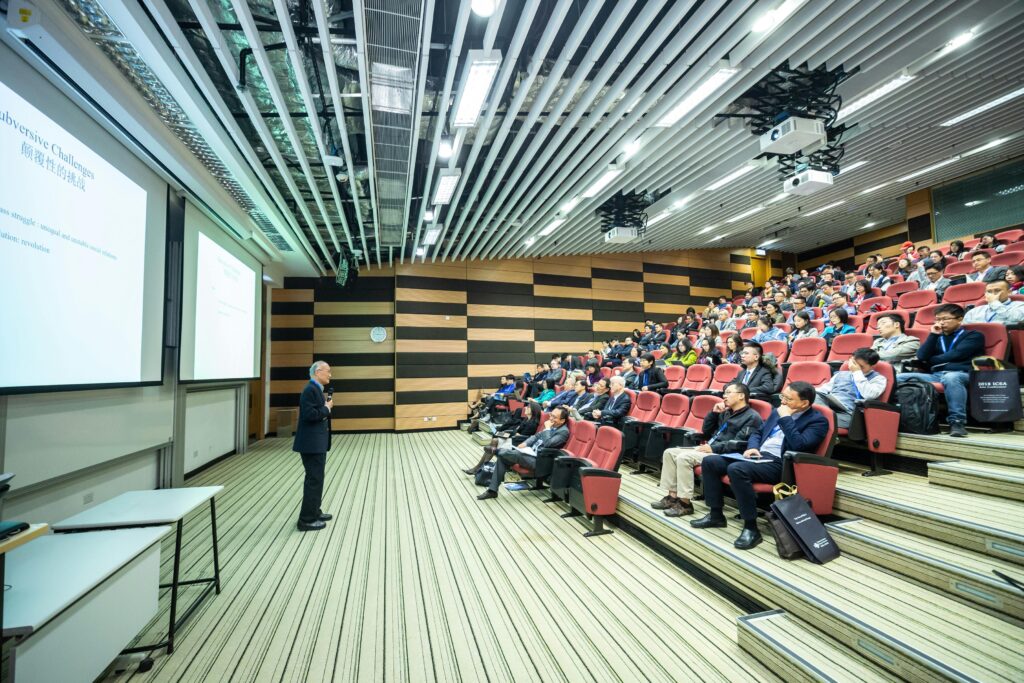
Many professionals assume that the most difficult part of presenting internationally is speaking English.
In reality, the biggest challenge is often something else.
It is presentation structure.
Even professionals with strong English ability sometimes struggle to communicate complex ideas clearly to international audiences. The issue is rarely vocabulary or grammar.
More often, the problem is how the message is organised.
International audiences require a higher level of clarity and structure to follow complex ideas.
Why Structure Matters More in English
When presenting in your native language, you rely heavily on intuition.
You can adjust explanations naturally. You know when to expand an idea, when to summarise, and when to shift the conversation.
In a second language, this flexibility becomes more difficult.
That is why structure becomes essential.
A well-structured presentation supports both the speaker and the audience. It creates a clear path through the message and reduces cognitive effort for listeners who may also be working in a second language.
Without clear structure, even simple ideas can feel difficult to follow.
The Risk of Information Overload
Senior professionals and technical specialists often present complex material, such as:
-
project updates
-
strategic analysis
-
technical research
-
financial data
In many international presentations, the problem is not lack of information.
It is too much information without a clear hierarchy.
When audiences cannot immediately see which ideas matter most, they must work harder to interpret the message. This slows down decision-making and reduces the impact of the presentation.
The Power of Message Hierarchy
Effective international presentations usually follow a clear message structure.
This often includes:
-
a clear opening message
-
a logical progression of ideas
-
explicit transitions between sections
-
a concise summary of key conclusions
This structure allows international audiences to process complex information more efficiently.
Instead of decoding the presentation, they can focus on the ideas themselves.
Why This Matters for Senior Professionals
Executives and senior specialists frequently communicate with diverse audiences, including:
-
international colleagues
-
global leadership teams
-
external partners
-
conference audiences
In these environments, clarity becomes essential.
A well-structured presentation allows ideas to travel across languages, cultures, and professional disciplines.
Structure Creates Clarity
Improving presentation effectiveness rarely requires perfect English.
More often, it requires clear message architecture.
When presentation structure improves, communication usually improves immediately.
For many professionals working internationally, shifting the focus from language accuracy to Communication strategy can transform the effectiveness of their presentations.